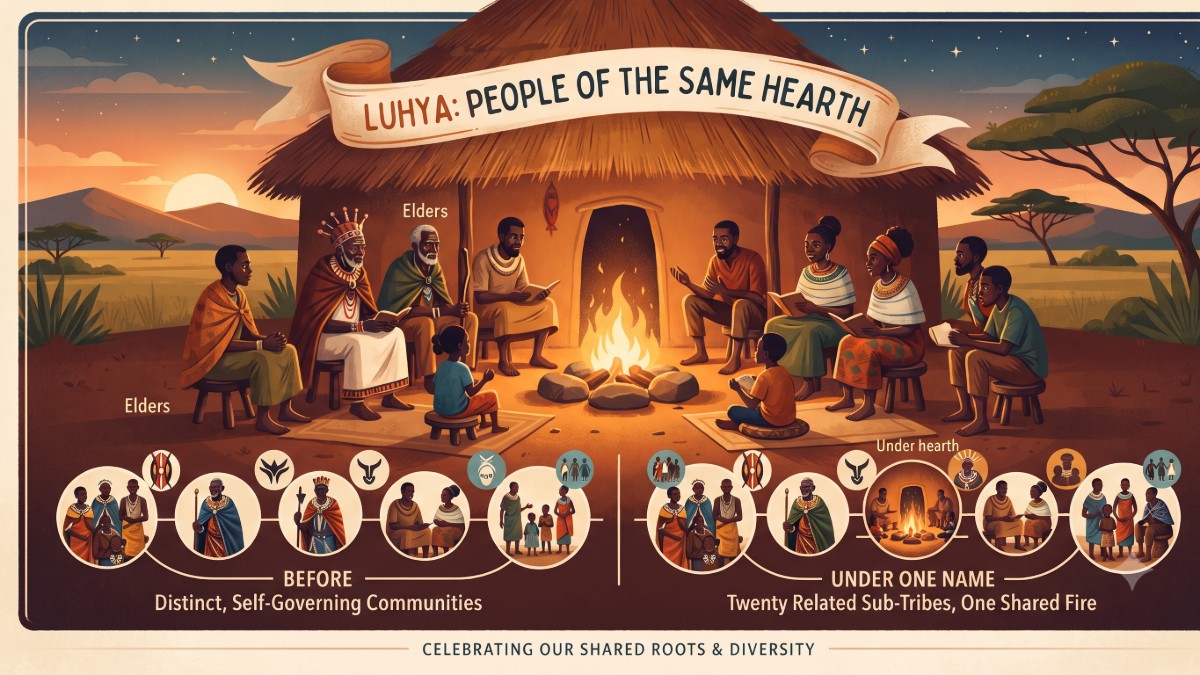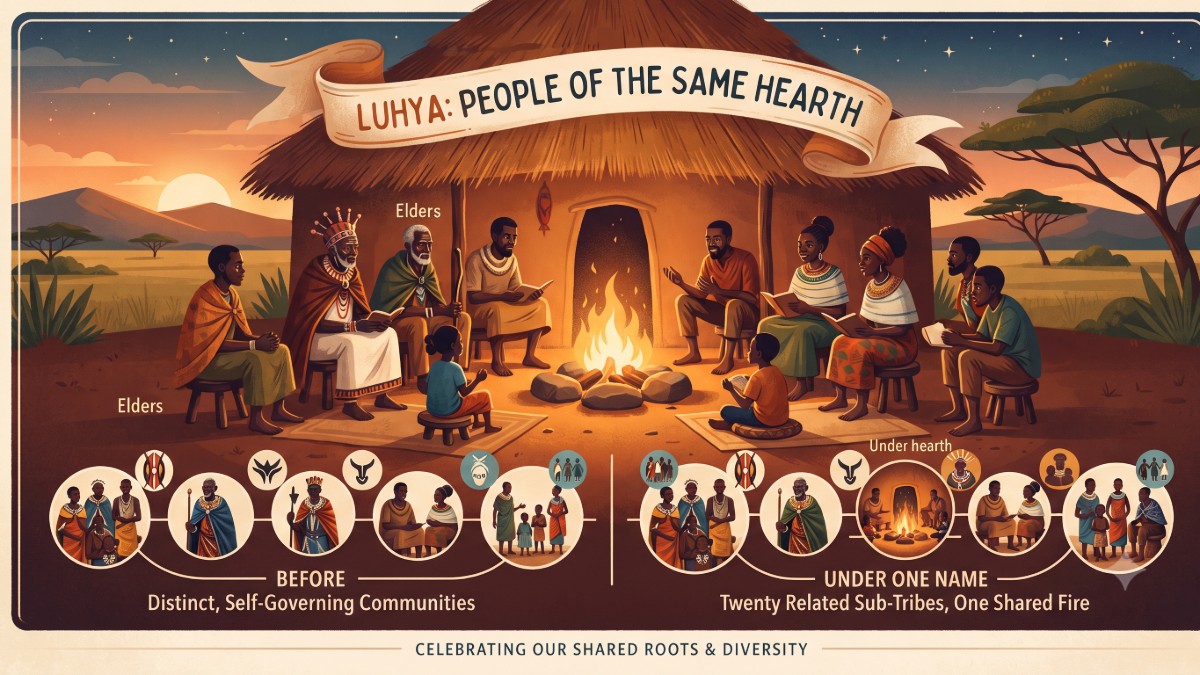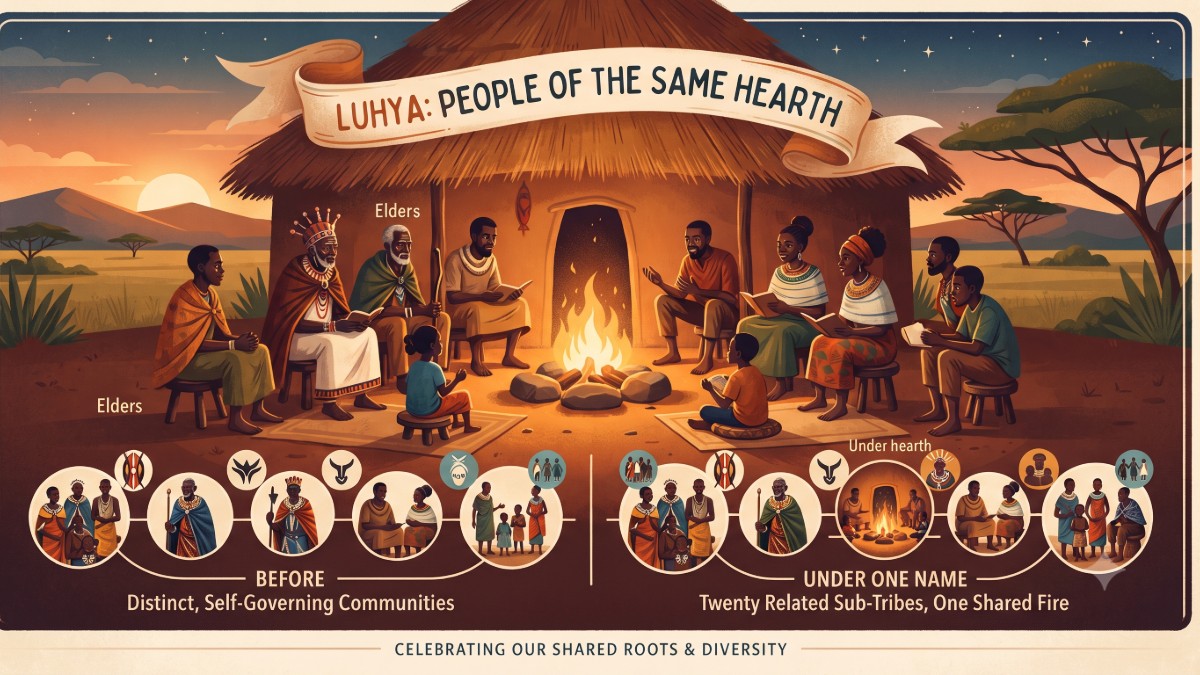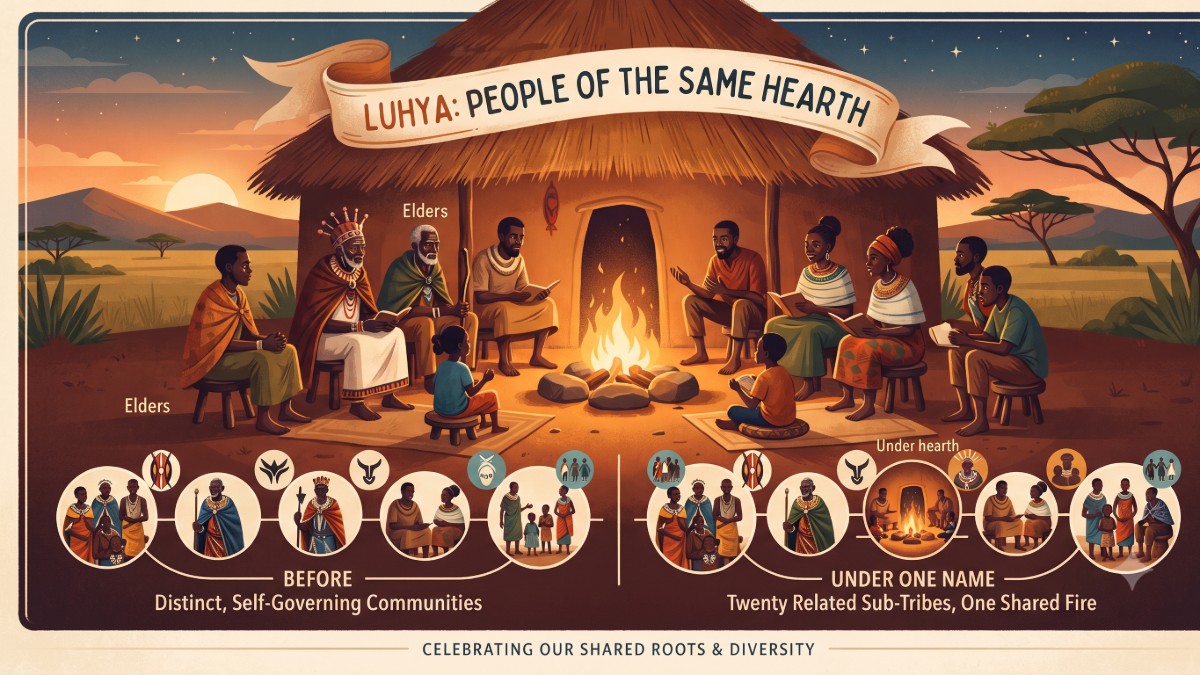
The Wanga were the only Luhya sub tribe with a centralized kingdom. Under Nabongo Mumia, the kingdom entered treaties with the British in the late 1800s, a decision still debated by historians today, some calling it strategic diplomacy, others calling it costly compromise.
Nabongo Mumia's royal line did not end with colonialism. The Wanga throne still exists today as a cultural institution, a rare living link to precolonial East African governance.
In 1895, Bukusu warriors fought British colonial forces at Chetambe's Fort near Webuye, one of the more significant early acts of armed resistance to colonial rule in western Kenya. It rarely gets the attention it deserves in the national story.
Elijah Masinde Wanameme founded Dini ya Musambwa in 1948, a movement that was as much political resistance as it was faith, calling for a return to indigenous worship free of colonial religious control. He was imprisoned repeatedly for it, by both colonial and independent governments.